What are the Vedic Zodiac Signs?
Vedic zodiac signs, also known as Hindu zodiac signs or Rashis, form the foundation of ancient Indian astrology that has guided millions for over 5,000 years. Unlike their Western counterparts, these sidereal zodiac signs are based on the actual positions of constellations in the sky, offering, many practitioners believe, a more astronomically accurate approach to understanding personality, destiny, and life patterns.
The system of 12 Vedic zodiac signs originates from Jyotish Shastra, the sacred science of light, which forms an integral part of the Vedangas – the six auxiliary disciplines of Vedic tradition. Each Indian zodiac sign represents a 30-degree segment of the zodiac belt, totalling the complete 360-degree celestial sphere. These signs don’t just describe personality traits; they reveal your karmic path, spiritual lessons, and life purpose according to ancient wisdom.
You might also wonder: Why do Vedic zodiac signs differ from Western astrology? The answer lies in a phenomenon called precession, where Earth’s axis slowly wobbles over approximately 26,000 years. This creates about a 24-degree difference between the two systems today, meaning your Vedic zodiac sign dates might place you in a completely different sign than your Western sun sign.
In this comprehensive guide, we’ll explore everything you need to know about Vedic zodiac signs, from understanding the Vedic zodiac signs chart to discovering your Vedic zodiac signs compatibility with others. Whether you’re new to Vedic astrology or looking to deepen your knowledge, this article will illuminate the wisdom of the Rashis.
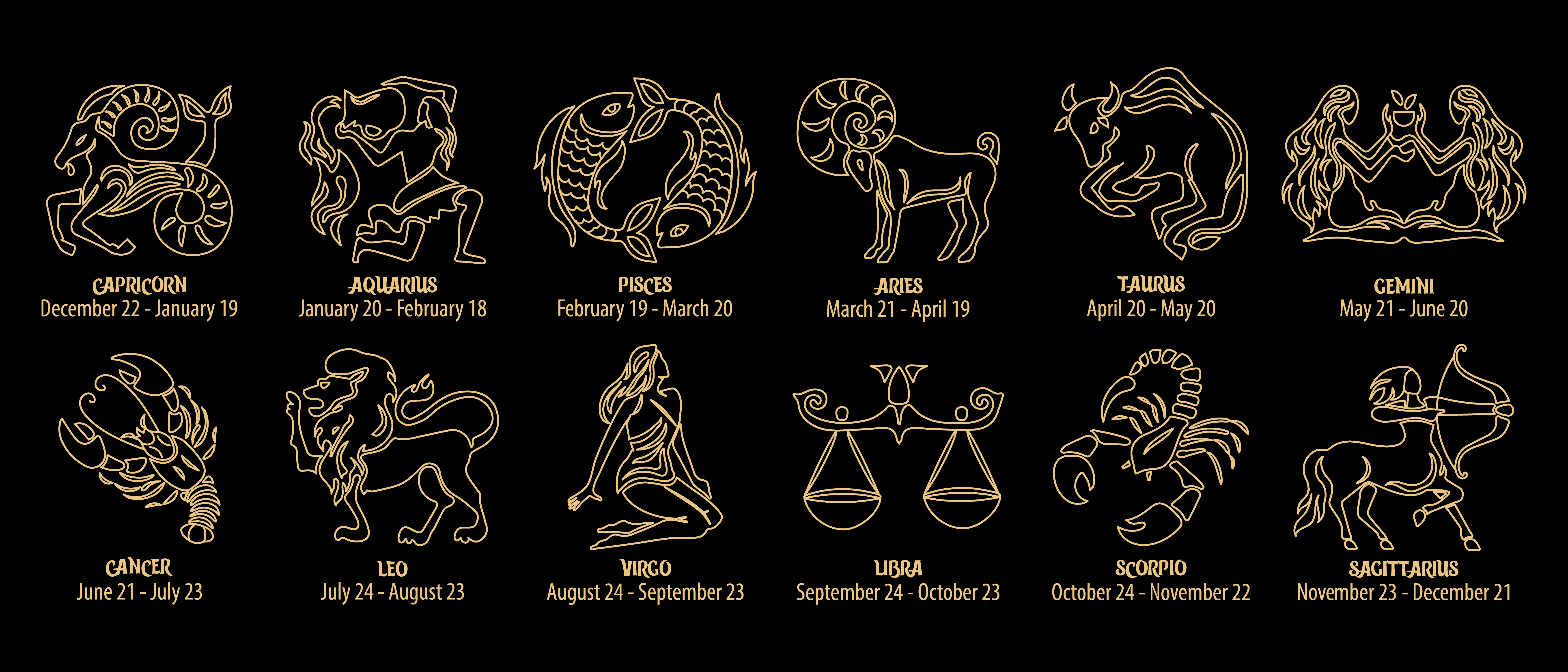
The 12 Vedic Zodiac Signs
The 12 Vedic zodiac signs represent the cosmic blueprint that influences every aspect of human existence. According to Vedic astrology principles, each Rashi is governed by specific planetary rulers, elements, and qualities that shape the characteristics of individuals born under them.
The Foundation of Vedic Astrology
Vedic zodiac signs are intrinsically connected to the lunar mansions (Nakshatras) and planetary periods (Dashas), creating a multi-layered system of prediction and self-understanding. The sidereal zodiac signs used in Vedic astrology align with the actual star constellations, making them fixed to the stellar background rather than the seasons.
Each Hindu zodiac sign belongs to one of four elements:
- Fire Signs (Agni Tattva): Aries, Leo, Sagittarius – representing passion, creativity, and dynamism
- Earth Signs (Prithvi Tattva): Taurus, Virgo, Capricorn – embodying stability, practicality, and materialism
- Air Signs (Vayu Tattva): Gemini, Libra, Aquarius – symbolising intellect, communication, and social connection
- Water Signs (Jala Tattva): Cancer, Scorpio, Pisces – expressing emotion, intuition, and depth
The Three Gunas in Vedic Zodiac Signs
Beyond elements, Indian zodiac signs are classified according to three gunas or qualities that describe how energy manifests:
- Cardinal Signs (Chara Rashi): Aries, Cancer, Libra, Capricorn – initiators who start things
- Fixed Signs (Sthira Rashi): Taurus, Leo, Scorpio, Aquarius – stabilisers who maintain things
- Mutable Signs (Dvisvabhava Rashi): Gemini, Virgo, Sagittarius, Pisces – adapters who transform things
Understanding these classifications helps explain why certain Vedic zodiac sign compatibility patterns emerge naturally while others require conscious effort.
Vedic Zodiac Signs Chart and Dates
One of the most common questions people ask is: What is the difference between Vedic and Western zodiac signs when it comes to dates? The Vedic zodiac signs dates typically shift by about 23-24 days compared to Western astrology due to the sidereal versus tropical zodiac calculation.
Complete Vedic Zodiac Signs Chart
Here’s a comprehensive Vedic zodiac signs chart with approximate dates (these can vary by 1-2 days depending on the year):
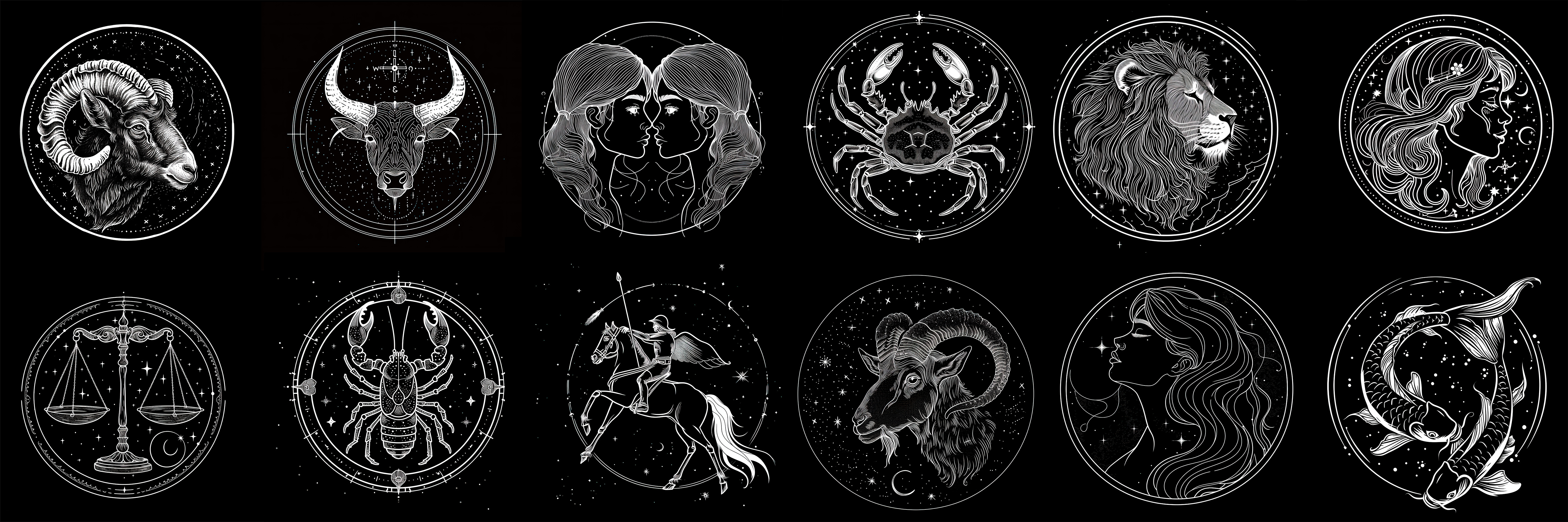
| Rashi Name | Sanskrit | Symbol | Vedic Zodiac Signs Dates | Ruling Planet |
| Mesha | मेष | Ram | April 13 – May 14 | Mars |
| Vrishabha | वृषभ | Bull | May 15 – June 14 | Venus |
| Mithuna | मिथुन | Twins | June 15 – July 14 | Mercury |
| Karka | कर्क | Crab | July 15 – August 14 | Moon |
| Simha | सिंह | Lion | August 15 – September 15 | Sun |
| Kanya | कन्या | Virgin | September 16 – October 15 | Mercury |
| Tula | तुला | Scales | October 16 – November 14 | Venus |
| Vrishchika | वृश्चिक | Scorpion | November 15 – December 14 | Mars |
| Dhanu | धनु | Archer | December 15 – January 13 | Jupiter |
| Makara | मकर | Crocodile | January 14 – February 12 | Saturn |
| Kumbha | कुंभ | Water Bearer | February 13 – March 12 | Saturn |
| Meena | मीन | Fish | March 13 – April 12 | Jupiter |
Another common question is: Do I need to recalculate my entire birth chart? Yes! Your Vedic zodiac signs are determined not just by your sun sign but also by your moon sign (Chandra Rashi) and rising sign (Lagna), which are considered even more important in Vedic astrology than the sun sign.
For accurate calculation of your Indian zodiac signs placement, you’ll need your exact birth time, date, and location. Resources like Vedic Astrology calculation tools can help you generate your complete chart.
What is the Difference Between Vedic and Western Zodiac Signs
Understanding the difference between Vedic and Western zodiac signs is crucial for anyone exploring both astrological systems. While they share the same zodiac division and sign names, their fundamental approaches differ significantly.
1. The Zodiac Reference Point
The primary distinction lies in the zodiac reference system:
Western Zodiac (Tropical): Uses the position of the sun relative to Earth’s seasons. The spring equinox always marks the beginning of Aries (around March 21), regardless of where the actual Aries constellation appears in the sky.
Vedic Zodiac (Sidereal): Uses the actual positions of constellations in the sky, accounting for the precession of equinoxes. This means sidereal zodiac signs align with the observable star patterns.
2. The Ayanamsa: The 24-Degree Shift
The technical difference between Vedic zodiac signs and Western signs is called the Ayanamsa, currently measuring about 24 degrees. This gap increases by approximately 1 degree every 72 years due to Earth’s axial precession.
For example, if you were born when the sun was at 15 degrees Taurus in the tropical zodiac (Western), it would be at approximately 21 degrees Aries in the Vedic zodiac signs chart (sidereal). This often results in your Vedic sun sign being one sign earlier than your Western sign.
3. Philosophical Differences
Beyond astronomical calculations, the systems differ philosophically:
Vedic Astrology emphasises:
- Moon sign (emotional nature) over sun sign
- Karma and dharma as life purposes
- Dashas (planetary periods) for timing predictions
- Remedial measures through mantras, gems, and rituals
- Integration with yoga, Ayurveda, and spiritual practices
Western Astrology focuses on:
- Sun sign (core identity) as primary
- Psychological growth and self-actualisation
- Transits and progressions for timing
- Free will and choice
- Therapeutic and counselling applications
According to comprehensive guides on Vedic astrology, both systems have merit, and many practitioners find value in studying both approaches for a complete picture.
Vedic Zodiac Signs Compatibility
Vedic zodiac signs compatibility offers a sophisticated system for understanding relationship dynamics, going far beyond simple sun sign matching. In Vedic astrology, compatibility analysis (called Kundali matching or Guna Milan) examines multiple factors to determine harmony between individuals.
1. The Foundation of Vedic Compatibility
Unlike Western astrology, which primarily looks at sun signs, Hindu zodiac signs compatibility considers:
- Moon Signs (Chandra Rashi): The most important factor, as the moon represents the mind and emotions
- Nakshatras: The 27 lunar mansions provide deeper insights into personality and compatibility
- Planetary Positions: The placement of Venus, Mars, and the 7th house lord
- Guna Matching: An eight-fold compatibility test that scores couples out of 36 points
2. Best Compatible Vedic Zodiac Signs by Element
Fire Signs (Mesha, Simha, Dhanu):
- Most compatible with: Other Fire signs and Air signs
- Vedic zodiac signs compatibility strength: Shared enthusiasm and vision
- Challenge signs: Water signs may feel overwhelmed by intensity
Earth Signs (Vrishabha, Kanya, Makara):
- Most compatible with: Other Earth signs and Water signs
- Indian zodiac signs synergy: Mutual appreciation for stability and security
- Challenge signs: Air signs may seem too flighty
Air Signs (Mithuna, Tula, Kumbha):
- Most compatible with: Other Air signs and Fire signs
- Sidereal zodiac signs harmony: Intellectual connection and social compatibility
- Challenge signs: Earth signs might restrict their freedom
Water Signs (Karka, Vrishchika, Meena):
- Most compatible with: Other Water signs and Earth signs
- Emotional depth: Deep intuitive understanding
- Challenge signs: Fire signs might be too aggressive
3. Specific Vedic Zodiac Signs Compatibility Pairings
Highly Compatible Combinations:
- Mesha (Aries) ♥ Simha (Leo): Dynamic fire combination with mutual respect
- Vrishabha (Taurus) ♥ Kanya (Virgo): Practical earth pairing with shared values
- Mithuna (Gemini) ♥ Tula (Libra): Intellectual air match with excellent communication
- Karka (Cancer) ♥ Vrishchika (Scorpio): Intensely emotional water bond
Challenging but Growth-Oriented Combinations:
- Mesha (Aries) ♥ Karka (Cancer): Cardinal clash requiring compromise
- Vrishabha (Taurus) ♥ Kumbha (Aquarius): Fixed opposition demanding flexibility
- Simha (Leo) ♥ Vrishchika (Scorpio): Power struggle with potential for transformation
According to traditional 12 Vedic zodiac signs wisdom, no combination is impossible – every relationship has remedies and growth opportunities through conscious effort and spiritual practices.
You might also wonder: Can incompatible signs work together? Absolutely! Vedic astrology provides remedial measures like wearing specific gemstones, chanting mantras, and performing pujas to harmonise challenging planetary combinations. Many successful marriages occur between supposedly incompatible signs when both partners are committed to growth.
Deep Dive Into Each of the 12 Vedic Zodiac Signs
Let’s explore each of the 12 Vedic zodiac signs in detail, understanding their unique characteristics, strengths, challenges, and life lessons.
1. Mesha (Aries) – मेष
Dates: April 13 – May 14
Ruling Planet: Mars (Mangal)
Element: Fire
Mesha natives are the warriors of the Vedic zodiac signs, characterised by courage, initiative, and pioneering spirit. Governed by Mars, they possess natural leadership abilities and thrive on challenges. These individuals are direct, honest, and sometimes impulsive in their approach to life.
Strengths: Courage, enthusiasm, competitive spirit, independence
Challenges: Impatience, aggression, lack of follow-through
Life Lesson: Learning patience and completing what they start
Career Paths: Military, sports, entrepreneurship, surgery
2. Vrishabha (Taurus) – वृषभ
Dates: May 15 – June 14
Ruling Planet: Venus (Shukra)
Element: Earth
In the Vedic zodiac signs chart, Vrishabha represents stability, sensuality, and material abundance. These individuals appreciate beauty, comfort, and security. Venus’s influence makes them artistic and pleasure-seeking, with a strong connection to the physical world.
Strengths: Reliability, patience, practicality, artistic talent
Challenges: Stubbornness, possessiveness, resistance to change
Life Lesson: Embracing change and spiritual values beyond materialism
Career Paths: Finance, agriculture, arts, hospitality
3. Mithuna (Gemini) – मिथुन
Dates: June 15 – July 14
Ruling Planet: Mercury (Budha)
Element: Air
Mithuna natives are the communicators of the Indian zodiac signs, blessed with intellectual curiosity and versatility. Mercury’s influence grants them quick wit, adaptability, and excellent communication skills. They thrive on variety and mental stimulation.
Strengths: Intelligence, communication, adaptability, youthfulness
Challenges: Inconsistency, superficiality, nervousness
Life Lesson: Developing depth and focus
Career Paths: Media, teaching, writing, sales, technology
4. Karka (Cancer) – कर्क
Dates: July 15 – August 14
Ruling Planet: Moon (Chandra)
Element: Water
Among Hindu zodiac signs, Karka is the most nurturing and emotionally sensitive. Ruled by the Moon, these individuals are deeply intuitive, family-oriented, and protective. They possess strong psychic abilities and emotional intelligence.
Strengths: Empathy, intuition, nurturing nature, loyalty
Challenges: Moodiness, over-sensitivity, clinging behaviour
Life Lesson: Balancing emotional attachment with independence
Career Paths: Healthcare, social work, hospitality, psychology
5. Simha (Leo) – सिंह
Dates: August 15 – September 15
Ruling Planet: Sun (Surya)
Element: Fire
Simha represents royalty in the sidereal zodiac signs, radiating confidence, creativity, and natural authority. Sun’s rulership grants them leadership qualities, generosity, and a need for recognition. They are natural performers who inspire others.
Strengths: Leadership, generosity, creativity, confidence
Challenges: Ego, domineering nature, attention-seeking
Life Lesson: Humble service and recognising others’ contributions
Career Paths: Politics, entertainment, management, teaching
6. Kanya (Virgo) – कन्या
Dates: September 16 – October 15
Ruling Planet: Mercury (Budha)
Element: Earth
Kanya natives in the Vedic zodiac signs embody perfectionism, analytical thinking, and service orientation. Mercury’s earthy expression here creates practical intellectuals who excel at organisation and attention to detail. They seek to improve everything they touch.
Strengths: Analytical skills, organisation, service-mindedness, health-consciousness
Challenges: Over-criticism, worry, perfectionism
Life Lesson: Accepting imperfection and going with the flow
Career Paths: Healthcare, research, editing, accounting
7. Tula (Libra) – तुला
Dates: October 16 – November 14
Ruling Planet: Venus (Shukra)
Element: Air
Tula represents balance and harmony in the 12 Vedic zodiac signs. Venus’s airy expression creates diplomatic individuals who seek beauty, justice, and partnership. They excel at seeing multiple perspectives and creating peace.
Strengths: Diplomacy, fairness, social grace, aesthetic sense
Challenges: Indecisiveness, people-pleasing, avoiding conflict
Life Lesson: Making firm decisions and establishing boundaries
Career Paths: Law, diplomacy, design, counselling
8. Vrishchika (Scorpio) – वृश्चिक
Dates: November 15 – December 14
Ruling Planet: Mars (Mangal)
Element: Water
Among Indian zodiac signs, Vrishchika is the most intense and transformative. Mars’s watery expression creates deep, passionate individuals with extraordinary willpower and investigative abilities. They possess natural healing and occult abilities.
Strengths: Intensity, determination, intuition, transformative power
Challenges: Jealousy, vengefulness, controlling nature
Life Lesson: Forgiveness and letting go
Career Paths: Research, psychology, surgery, occult sciences
9. Dhanu (Sagittarius) – धनु
Dates: December 15 – January 13
Ruling Planet: Jupiter (Guru)
Element: Fire
Dhanu represents the philosopher-adventurer in the Vedic zodiac signs. Jupiter’s influence creates optimistic individuals who seek higher knowledge, truth, and expansion. They are natural teachers with a love for travel and exploration.
Strengths: Optimism, wisdom, generosity, adventurous spirit
Challenges: Over-confidence, tactlessness, restlessness
Life Lesson: Grounding philosophy in practical reality
Career Paths: Teaching, philosophy, travel industry, publishing
10. Makara (Capricorn) – मकर
Dates: January 14 – February 12
Ruling Planet: Saturn (Shani)
Element: Earth
Makara embodies discipline and ambition in the Hindu zodiac signs. Saturn’s influence creates responsible individuals who understand the value of hard work, patience, and long-term planning. They are natural administrators and executives.
Strengths: Discipline, responsibility, ambition, endurance
Challenges: Rigidity, pessimism, workaholism
Life Lesson: Balancing ambition with joy and flexibility
Career Paths: Business, administration, engineering, architecture
11. Kumbha (Aquarius) – कुंभ
Dates: February 13 – March 12
Ruling Planet: Saturn (Shani)
Element: Air
Kumbha represents the humanitarian and innovator in sidereal zodiac signs. Saturn’s airy expression creates progressive individuals who think about collective welfare and future possibilities. They are natural rebels and reformers.
Strengths: Innovation, humanitarianism, independence, originality
Challenges: Detachment, rebelliousness, impracticality
Life Lesson: Balancing individuality with emotional connection
Career Paths: Technology, social work, science, activism
12. Meena (Pisces) – मीन
Dates: March 13 – April 12
Ruling Planet: Jupiter (Guru)
Element: Water
Meena completes the Vedic zodiac signs chart as the most spiritual and compassionate sign. Jupiter’s watery expression creates highly intuitive, artistic individuals who blur boundaries between self and others. They possess natural healing and spiritual abilities.
Strengths: Compassion, spirituality, creativity, intuition
Challenges: Escapism, boundary issues, impracticality
Life Lesson: Grounding spiritual gifts in material reality
Career Paths: Arts, spirituality, healing, charity work
How to Calculate Your Vedic Zodiac Sign
Determining your exact placement in the 12 Vedic zodiac signs requires more than just knowing your birth date. Unlike Western astrology, Vedic zodiac signs calculation demands precise birth details for accuracy.
1. Essential Information Needed
To calculate your complete Indian zodiac signs chart, gather:
- Exact birth time (to the minute if possible)
- Birth date (day, month, year)
- Birth location (city, state, country with coordinates)
The birth time is crucial because it determines your Lagna (Ascendant or rising sign), which changes approximately every two hours. Your moon sign can also shift between Vedic zodiac signs dates depending on the exact time of birth.
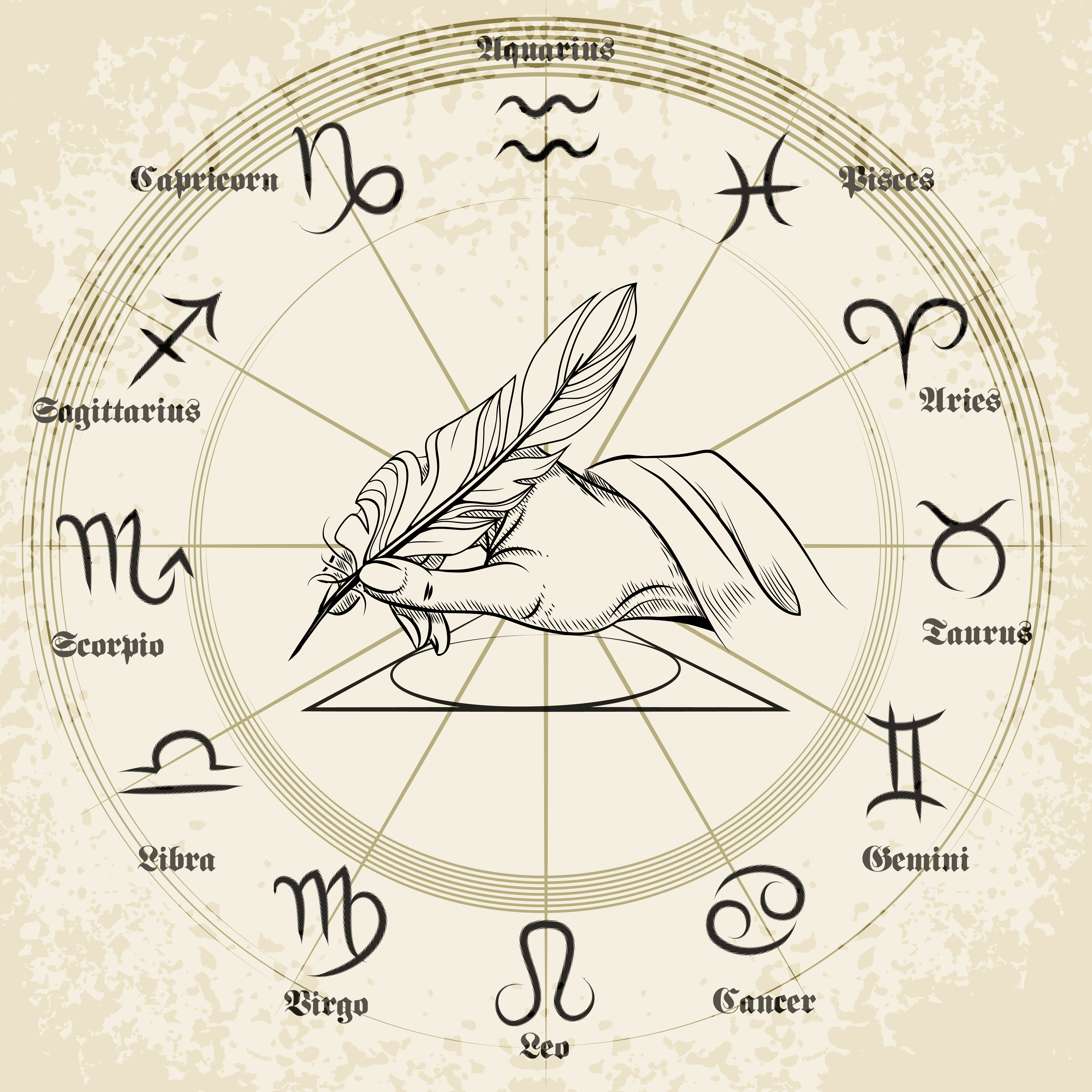
2. The Three Most Important Signs
In Hindu zodiac signs astrology, three primary placements shape your personality:
- Lagna (Ascendant/Rising Sign): Your external personality, physical appearance, and life approach
- Chandra Rashi (Moon Sign): Your mind, emotions, and inner world – considered most important
- Surya Rashi (Sun Sign): Your soul purpose and core identity
Many people are surprised to learn their Vedic zodiac signs differ from their Western signs. For example, if you’re a Gemini in Western astrology (born June 5), you’re likely a Taurus (Vrishabha) in the sidereal zodiac signs system.
3. Calculation Methods
Traditional Method: Consult a professional Vedic astrologer who manually calculates your chart using astronomical tables and traditional software.
Online Calculators: Several reliable websites offer free Vedic zodiac signs chart calculations:
- Vedic Astrology Chart Calculator
- Various Jyotish software applications
Important Note: The Lahiri Ayanamsa is the most commonly used calculation standard for Vedic zodiac signs, but different schools use slightly different values. This can occasionally result in minor variations between calculations.
4. Understanding Your Results
Once you’ve calculated your chart, you’ll receive:
- Your Vedic zodiac signs for sun, moon, and ascendant
- Planetary positions in houses and signs
- Current dasha (planetary period) information
- Nakshatra (lunar mansion) placements
Understanding what Vedic astrology reveals about your life requires studying how all these factors interact. While this guide covers the basics, a deeper understanding often comes through study or consultation with experienced practitioners.
Another common question is: Should I follow my Western or Vedic sign? There’s no right answer – many people find value in both. Vedic zodiac signs compatibility and predictions often resonate differently from Western approaches. Experiment with both systems and see which provides more accurate insights for your life.
Key Takeaways: Essential Points About Vedic Zodiac Signs
Understanding Vedic zodiac signs opens doors to ancient wisdom that has guided millions for millennia. Here are the crucial points to remember:
- Astronomical Foundation: Sidereal zodiac signs align with actual star constellations, making them astronomically fixed rather than season-based like Western tropical signs.
- The 24-Degree Shift: What is the difference between Vedic and Western zodiac signs? Primarily, the 24-degree Ayanamsa, meaning your Vedic sign is usually one sign earlier than your Western sign.
- Moon Over Sun: Unlike Western astrology, Indian zodiac signs astrology prioritises your moon sign (emotional nature) over your sun sign (core identity).
- Complete System: The 12 Vedic zodiac signs work together with Nakshatras, houses, and planetary periods to create comprehensive life readings.
- Precision Matters: Accurate Vedic zodiac sign dates and birth time are essential for proper chart calculation, especially for determining your Lagna (rising sign).
- Compatibility Depth: Vedic zodiac signs compatibility extends beyond simple sign matching to include Guna Milan, Nakshatra compatibility, and planetary analysis.
- Karmic Perspective: Hindu zodiac signs reveal not just personality but also karmic lessons, dharma (life purpose), and spiritual evolution paths.
- Remedial Measures: Unlike Western astrology, Vedic tradition offers specific remedies – mantras, gemstones, rituals – to harmonise challenging planetary influences.
- Holistic Integration: The Vedic zodiac signs chart integrates with yoga, Ayurveda, and meditation practices for holistic life improvement.
- Timeless Accuracy: Many practitioners find sidereal zodiac signs’ predictions more accurate due to their astronomical precision and inclusion of planetary period analysis.
Frequently Asked Questions
What are the 12 signs in Vedic astrology?
The 12 Vedic zodiac signs are: Mesha (Aries), Vrishabha (Taurus), Mithuna (Gemini), Karka (Cancer), Simha (Leo), Kanya (Virgo), Tula (Libra), Vrishchika (Scorpio), Dhanu (Sagittarius), Makara (Capricorn), Kumbha (Aquarius), and Meena (Pisces). These Indian zodiac signs share the same names as Western signs but use different date calculations based on the sidereal rather than tropical zodiac. Each of these Hindu zodiac signs represents a 30-degree segment of the ecliptic and carries specific planetary rulerships, elements, and qualities that influence personality and destiny according to ancient Vedic wisdom.
What is the difference between Vedic and Western zodiac signs?
What is the difference between Vedic and Western zodiac signs centres on their astronomical reference points. Vedic zodiac signs use the sidereal zodiac, which aligns with actual constellation positions in the sky and accounts for Earth’s axial precession. Western astrology uses the tropical zodiac, which aligns with Earth’s seasons and always places the spring equinox at 0° Aries. This creates approximately a 24-degree difference, meaning your Vedic zodiac sign dates typically place you in a different sign than Western astrology. Additionally, sidereal zodiac signs prioritise the moon sign over the sun sign and incorporate concepts like Dashas (planetary periods) and Nakshatras (lunar mansions) that Western astrology doesn’t use. The philosophical approaches differ too – Vedic astrology emphasises karma and dharma, while Western astrology focuses more on psychology and personal growth.
Is Vedic astrology most accurate?
The accuracy of Vedic zodiac signs versus Western astrology is subjective and depends on individual experience. Many practitioners find Indian zodiac signs predictions more accurate because they use the actual positions of constellations (sidereal zodiac), account for Earth’s axial precession, and incorporate sophisticated timing techniques like Dashas. The system has demonstrated predictive accuracy for thousands of years across millions of birth charts. However, “accuracy” also depends on the astrologer’s skill, the client’s openness, and how the predictions are interpreted. According to experts in Vedic astrology, the comprehensive nature of Hindu zodiac signs analysis – examining not just sign placements but also houses, Nakshatras, and planetary periods – provides multiple layers of insight that many find remarkably precise. Ultimately, both systems have value, and many people benefit from exploring both approaches to find what resonates most authentically.
What is the rarest star sign?
In terms of Vedic zodiac signs, rarity depends on birth rate patterns rather than the zodiac itself, as each sign occupies approximately the same amount of time annually. However, certain sidereal zodiac signs may have fewer births due to seasonal patterns. Statistically, Kanya (Virgo) and Tula (Libra) tend to have slightly fewer births in many populations because fewer conceptions occur during the winter holiday season, nine months earlier. Within the Vedic zodiac signs chart, the “rarest” phenomenon is actually having multiple planets in certain signs or specific Nakshatra placements, rather than sun sign rarity. For example, someone with all planets in one Indian zodiac sign would be extremely rare. Additionally, certain combinations in 12 Vedic zodiac signs – like a Kumbha (Aquarius) Lagna with Meena (Pisces) moon and Makara (Capricorn) sun – create unique personality matrices that occur less frequently than others.
Which zodiac is luckiest?
Defining the “luckiest” of the 12 Vedic zodiac signs is complex because luck in Vedic astrology depends on planetary strength, house placements, and current Dasha periods rather than sun sign alone. However, traditionally, Dhanu (Sagittarius) is often considered fortunate because it’s ruled by Jupiter (Guru), the great benefic planet associated with wisdom, expansion, and good fortune. Similarly, Meena (Pisces), also ruled by Jupiter, is seen as spiritually blessed. Among Vedic zodiac signs, those with strong Jupiter placements, regardless of sun sign, tend to experience more opportunities and protection. That said, Hindu zodiac signs teach that every sign has its own form of “luck” – Simha (Leo) natives often experience luck through leadership, Vrishabha (Taurus) through material stability, and Tula (Libra) through relationships. According to Vedic zodiac signs compatibility and chart analysis, true fortune comes from living in alignment with your dharma (life purpose) rather than your sun sign alone. Every Indian zodiac sign offers unique blessings when its energies are properly understood and cultivated through spiritual practice and conscious living.
Conclusion: Embracing the Wisdom of Vedic Zodiac Signs
The journey through Vedic zodiac signs reveals an ancient system of profound wisdom that continues to guide millions toward self-understanding and spiritual growth. Whether you’re exploring the Vedic zodiac signs chart for the first time or deepening your knowledge of sidereal zodiac signs, this 5,000-year-old tradition offers insights that transcend time and culture.
Understanding what is the difference between Vedic and Western zodiac signs allows you to appreciate both systems’ unique contributions. While Western astrology offers psychological insights and personal empowerment, Indian zodiac signs provide karmic context and spiritual direction rooted in astronomical precision.
The beauty of the 12 Vedic zodiac signs lies not just in personality description but in revealing your soul’s journey – the lessons you’re here to learn, the gifts you’re meant to share, and the dharma you’re destined to fulfil. By studying your placement in Hindu zodiac signs, consulting the Vedic zodiac signs dates, and exploring Vedic zodiac signs compatibility, you gain tools for navigating relationships, career decisions, and spiritual evolution.
As you continue your astrological journey, remember that Vedic zodiac signs are not deterministic labels but cosmic guideposts. They illuminate potential paths while respecting your free will to choose growth, transformation, and conscious evolution. Whether you’re a fiery Mesha seeking new adventures or a watery Meena serving humanity through compassion, your sidereal zodiac signs placement offers gifts to embrace and challenges to transform.
The wisdom of Jyotish – the science of light – invites you to look beyond surface-level predictions toward deeper self-knowledge. By understanding your Vedic zodiac signs chart in its complete complexity, you align with cosmic rhythms that have guided seekers for millennia.
Ready to explore more? Calculate your complete Vedic chart, consult with an experienced practitioner, and begin integrating these timeless insights into your modern life. The 12 Vedic zodiac signs await to illuminate your path forward.
Ready to explore more? Visit StarryVibes to begin your journey, check your daily horoscope, calculate your complete Vedic chart, consult with an experienced practitioner, and begin integrating these timeless insights into your modern life. The 12 Vedic zodiac signs await to illuminate your path forward.