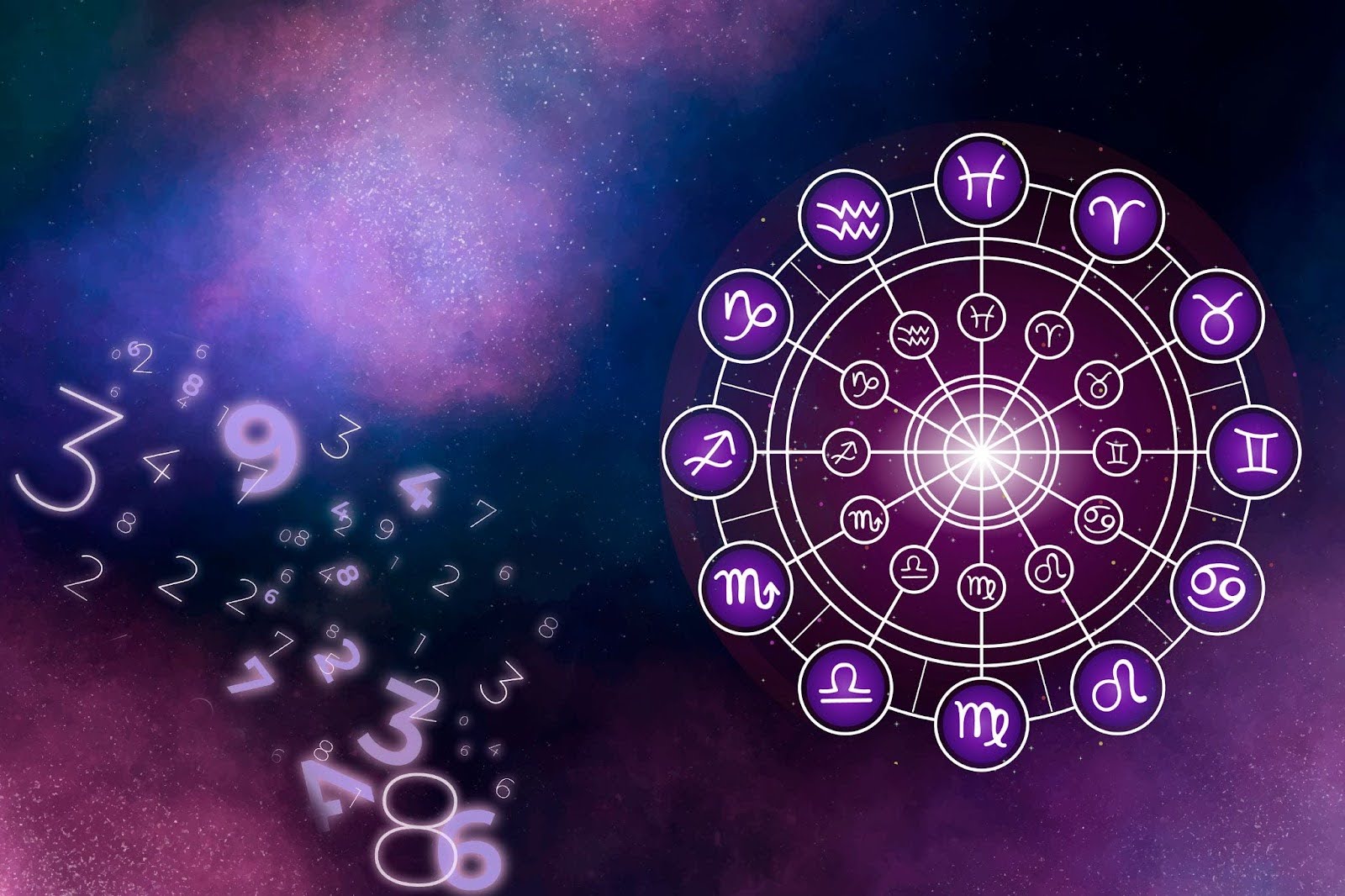
The 12 houses in Vedic astrology form the spatial-scientific frame of your birth chart, revealing “where” cosmic forces play out in life.
Houses in Vedic astrology map life’s fundamental domains – self, wealth, communication, home, creativity, service, relationships, transformation, purpose, karma, aspirations, and dissolution.
Understanding different houses in Vedic astrology brings clarity to life events by decoding not just what happens but where and why.
Each house has a psychological imprint and karmic story, refined by Lagna and houses’ relationships and house strength.
Houses in Vedic astrology evolve as you do – their meanings unfold across timelines and transits.
Table of Contents
- What Are Houses in Vedic Astrology?
- The Astronomical and Psychological Foundation
- The 12 Houses Explained (Detailed Breakdown)
- How Houses Change The Story: A Real-World Glimpse
- Working With Your Houses In Daily Life
- How House Themes Evolve Over A Lifetime
- How StarryVibe Reads Your Houses Without Reducing You To Them
- You Might Also Wonder…
- Key Takeaways
- FAQ
- Final Reflection
Introduction
In Vedic astrology, the 12 houses in Vedic astrology (bhavas) are not merely chart divisions – they are portals through which cosmic intelligence interacts with human experience. If planets in different houses reflect how energy moves and zodiac signs reveal how qualities are expressed, houses in Vedic astrology indicate where life assigns meaning.
Think of the houses in Vedic astrology as the rooms of a temple. Each holds a different kind of prayer.
Ancient astronomer-sages divided the sky not only across constellations but also into quadrants of human existence. Brihat Parashara Hora Shastra, one of the core Vedic texts, describes the 12 bhavas in Vedic astrology as “the domains of karmic unfolding”. Modern behavioural mapping similarly recognises that life does not happen uniformly; it happens in chapters, in spaces.
Understanding the 12 houses in Vedic astrology is the moment when astrology stops being “mystical” and starts becoming practical, actionable, and deeply interpretive. The British Association for Vedic Astrology emphasises this practical approach through their educational programs and conferences.
“Grahas (planets) are the actors, Rashis (signs) are their costumes, but Bhavas (houses) are the stages where their drama unfolds.”
– Interpretive annotation based on Parashara
1. What Are Houses in Vedic Astrology?
In Vedic astrology, the 12 houses in Vedic astrology (bhavas) describe where life unfolds. If planets in different houses show what energy is active and zodiac signs show how it behaves, houses in Vedic astrology reveal where in your lived experience that energy expresses itself – career, relationships, identity, home, purpose, and so on.
Houses in Vedic astrology are calculated using the exact time and place of birth. Unlike zodiac signs, which remain fixed, houses in Vedic astrology positions move rapidly due to Earth’s rotation. Just a four-minute error in birth time can shift house cusps, altering how planetary energies are interpreted – a point also reflected in discussions at the British Association for Vedic Astrology.
So while zodiac signs describe character, houses in Vedic astrology turn astrology into biography. They turn “you are like this” into “you experience this in the realm of career”, or “at home”, or “through relationships”. The planet is the actor. The sign is the costume. The houses in Vedic astrology are the stage.
The Lagna and houses relationship is fundamental to understanding your chart, as the ascendant (Lagna) determines which sign becomes your first house, setting the entire framework for how different houses in Vedic astrology will manifest in your life.
2. The Astronomical and Psychological Foundation
Vedic astrology uses sidereal calculations, aligning charts with actual star positions using Ayanamsa (typically Lahiri’s). This accounts for the slow wobble of Earth’s axis, ensuring your houses in Vedic astrology reflect real cosmic positioning – not seasonal projections.
Earth rotates at around 1,600 km/hr at the equator, causing houses in Vedic astrology positions to shift constantly. Even small changes in latitude or birth time impact house strength (bhava bala). ISRO’s geospatial analysis confirms how Earth’s rotation influences celestial mapping – scientifically validating principles that Vedic astrologers observed through cosmic geometry.
Psychologically, houses in Vedic astrology correspond to life domains we naturally organise experience into: self, security, communication, home, service, relationships, transformation, purpose, contribution, and retreat. Modern cognitive frameworks mirror this segmentation.

2. The Astronomical and Psychological Foundation
Vedic astrology uses sidereal calculations, aligning charts with actual star positions using Ayanamsa (typically Lahiri’s). This accounts for the slow wobble of Earth’s axis, ensuring your houses in Vedic astrology reflect real cosmic positioning – not seasonal projections.
Earth rotates at around 1,600 km/hr at the equator, causing houses in Vedic astrology positions to shift constantly. Even small changes in latitude or birth time impact house strength (bhava bala). ISRO’s geospatial analysis confirms how Earth’s rotation influences celestial mapping – scientifically validating principles that Vedic astrologers observed through cosmic geometry.
Psychologically, houses in Vedic astrology correspond to life domains we naturally organise experience into: self, security, communication, home, service, relationships, transformation, purpose, contribution, and retreat. Modern cognitive frameworks mirror this segmentation.
3. The 12 Houses: A Deep Interpretation
To really understand the 12 houses in Vedic astrology, it helps to imagine consciousness taking a journey. It begins by asking “Who am I?” and gradually moves outward into relationships, society, destiny and finally dissolution into something vaster than the individual self. Each of the different houses in Vedic astrology is a distinct landscape on that journey.
First House – The Lived Sense of “I”
The first house in the 12 houses in the Vedic astrology system is where life steps onto the stage. It describes not just how you look, but how you arrive in the world. It colours your natural posture towards existence. Do you move curiously, cautiously, boldly, or as though you are watching yourself from a distance?
Psychologically, the first house is your default mode before social conditioning. It shapes how you enter conversations, how quickly you say yes or no, and how you carry your body. When Brihat Parashara Hora Shastra calls the ascendant the “seat of life”, it is pointing to this lived immediacy. Planets in different houses do not whisper when placed here. They define.
The relationship between Lagna and houses is established here, as your ascendant sign becomes the first house, setting the tone for all other houses in Vedic astrology.
Working with the first house often begins with noticing how you introduce yourself, how you handle beginnings, and what you feel you must be to be “allowed” to exist.

Second House – What You Hold And What Holds You
The second house in houses in Vedic astrology is traditionally called the house of wealth, but that is a narrow translation. It speaks of everything you hold close: money, food, family, values and, importantly, your voice.
Speech lives here, not simply as communication, but as an extension of self-worth. People with a strong second house often have memorable voices or very defined ideas about what is “worth saying” and what is not. Early family conditioning sits here too, creating deep impressions about safety, scarcity or abundance.
In modern psychological language, the second house relates to security templates. How you save or spend, how you eat, how you soothe yourself, how you store memories: all are subtle reflections of this house’s themes within the 12 bhavas in Vedic astrology.
Third House – The First Act Of Courage
The third house in the houses in the Vedic astrology framework is the moment consciousness decides to move. It rules siblings, short journeys, experimentation, and the kind of courage that appears in everyday life rather than in dramatic epics.
Here we see how a person pushes against resistance. Do they argue, negotiate, write, perform, or test? A strong third house often appears in people who create prolifically, even if what they create is not yet perfected. It is the house of “I will try”.
In behavioural terms, the third house is linked to assertiveness and communication style. Whether you speak up or stay silent in crucial moments is often a third house story in the different houses in the Vedic astrology system.


Fourth House – The Hidden Room Of The Heart
What is the 5th house in astrology? Before we answer that, let’s understand the fourth house – the innermost chamber. Traditionally associated with home, mother, land, and vehicles, at a deeper level, it is the emotional ground you stand on when no one is watching.
This house, within the 12 houses in Vedic astrology, holds memories that are not always verbalised: the feeling of your childhood room, the emotional climate of your home, the look in your caregiver’s eyes. These impressions slowly crystallise into your personal definition of “safety”.
Astrologically, an unsettled fourth house can manifest as frequent moves, difficulty feeling at home, or an internal restlessness that no external comfort fully calms. A nourished fourth house, on the other hand, is like an inner courtyard where you can always return to breathe.
Fifth House – The Joy Of Creating
What is the 5th house in astrology? If the fourth is the womb, the fifth is the child emerging to play. This house in houses in Vedic astrology governs creativity, children, romance, speculative ventures and the spark of joy that comes from expressing something uniquely yours.
Ancient texts often link the fifth house with buddhi – an intelligence that recognises pattern and beauty. Whether you write, dance, design products, craft strategies, or nurture a child, fifth house energy is present whenever life feels like a work of art rather than a to-do list.
Modern psychology would connect this with “flow states”: those moments when time falls away because you are absorbed in meaningful creation. A supported fifth house usually correlates with the capacity to enjoy, to play and to love without constant fear of loss.
Understanding what the 5th house in astrology helps you unlock your creative potential and recognise how planets in different houses activate different forms of self-expression.


Sixth House – Where Work Becomes Worship
The sixth house in houses in Vedic astrology is frequently misunderstood as the place of problems: illness, conflict, and obstacles. In classical Vedic thought, however, it is the field of shatru-vijaya – victory over the forces that weaken you.
Here we see your relationship with discipline, routine and service. Do you experience work as a burden, a duty, a healing practice, or a path of refinement? Health patterns also fall here, not as punishment, but as signals about where balance wants to be restored.
From a therapeutic perspective, the sixth house is where habits, micro-choices and daily rhythms live. When approached consciously, it becomes one of the most transformative different houses in Vedic astrology.
Seventh House – The Mirror Of The Other
The seventh house sits directly opposite the first in the 12 houses in Vedic astrology. If the first asks “Who am I?”, the seventh asks “Who am I when I meet another?”
This is the domain of partnerships, marriages, business agreements, and contracts of all kinds. But more than that, it is the mirror in which you see the parts of yourself you cannot see alone. People often project into this house both their greatest longing and their greatest discomfort.
Strong seventh house themes may show up as intense attraction to certain partnership dynamics, repeated relationship patterns, or significant lessons through collaborators and rivals. In a sense, the seventh house shows where life says, “You cannot evolve alone. You must learn through encounter.”


Eighth House – The Alchemy Of Letting Go
The eighth house is the place where certainty dissolves in the houses in the Vedic astrology system. Classical texts tie it to death, inheritance, secrets, occult knowledge and deep transformation. It is where things do not stay on the surface.
Rather than predicting literal death, the eighth house reflects how you move through endings and rebirths. Do you cling, resist, rebel, surrender, or study? People with planets in different houses, particularly the eighth, often navigate intense life passages: psychological breakdowns that become breakthroughs, sudden shifts in resources, encounters with taboo or hidden knowledge.
From a psychological angle, it correlates with shadow work, trauma processing and the capacity to sit with discomfort to emerge more whole. It is not an “easy” house among the 12 bhavas in Vedic astrology, but it is profoundly evolutionary.
Ninth House – The Horizon Of Meaning
After the turbulence of the eighth, the ninth house opens like a distant view in houses in Vedic astrology. Here we find dharma, philosophy, higher education, mentors, pilgrimage and long-distance journeys.
This is the place in the chart where life asks: “What do you believe life is for?” People with an active ninth house are drawn to frameworks that offer meaning: spiritual paths, academic study, intellectual inquiry, and cultural exploration.
In modern terms, this house resonates with worldview formation and values-led living. When the ninth house is engaged, even challenges are seen within a larger story. Renowned UK Vedic astrologer Komilla Sutton emphasises the importance of the ninth house in spiritual development.

Tenth House – Your Contribution To The World
The tenth house is the highest point in the chart among houses in Vedic astrology, often associated with career, public reputation and authority. But at its essence, it is about visible impact: how your energy touches the collective field.
A strong tenth house does not always mean fame. It may instead show a clear sense of responsibility, a calling, or the feeling that your work is seen and matters. It reflects how you stand when life asks you to show up.
In leadership psychology, this would be the house of vocation and public role. It reveals the style in which you are most naturally able to contribute. The placement of planets in different houses, especially the tenth, significantly impacts career trajectory.

Eleventh House – Networks, Hopes And Shared Futures
The eleventh house expands the field further into communities, friends, networks and long-term aspirations in the 12 houses in the Vedic astrology framework. It is where individual desire merges with collective streams.
Those with an emphasised eleventh may find themselves at the intersection of circles: communities, movements, industries. Gains, rewards and recognition are classically placed here, but beneath that is a subtler theme: alignment with futures that are bigger than one person.
In contemporary language, this is where we might talk about social capital, collaboration and the ability to dream beyond immediate survival.

Twelfth House – The Art Of Surrender
Finally, the twelfth house brings us to the edge of visible reality in houses in Vedic astrology. It is linked with solitude, retreat, loss, sleep, dreams, foreign lands and spiritual dissolution.
At a surface level, it can indicate experiences of letting go: of people, places, identities. At a deeper level, it points towards the soul’s relationship with the unseen. How comfortable are you with silence? What happens when no external validation is available? Do you feel abandoned, or do you discover presence?
One traditional commentary describes the twelfth house as “the place where the lamp is extinguished so that dawn can be born.” Or, as you might put it:
The twelfth house is not an end. It is the quiet pause before breath returns to the body of life again.
Understanding all the different houses in Vedic astrology requires appreciating how each complements and balances the others, creating a complete map of consciousness.
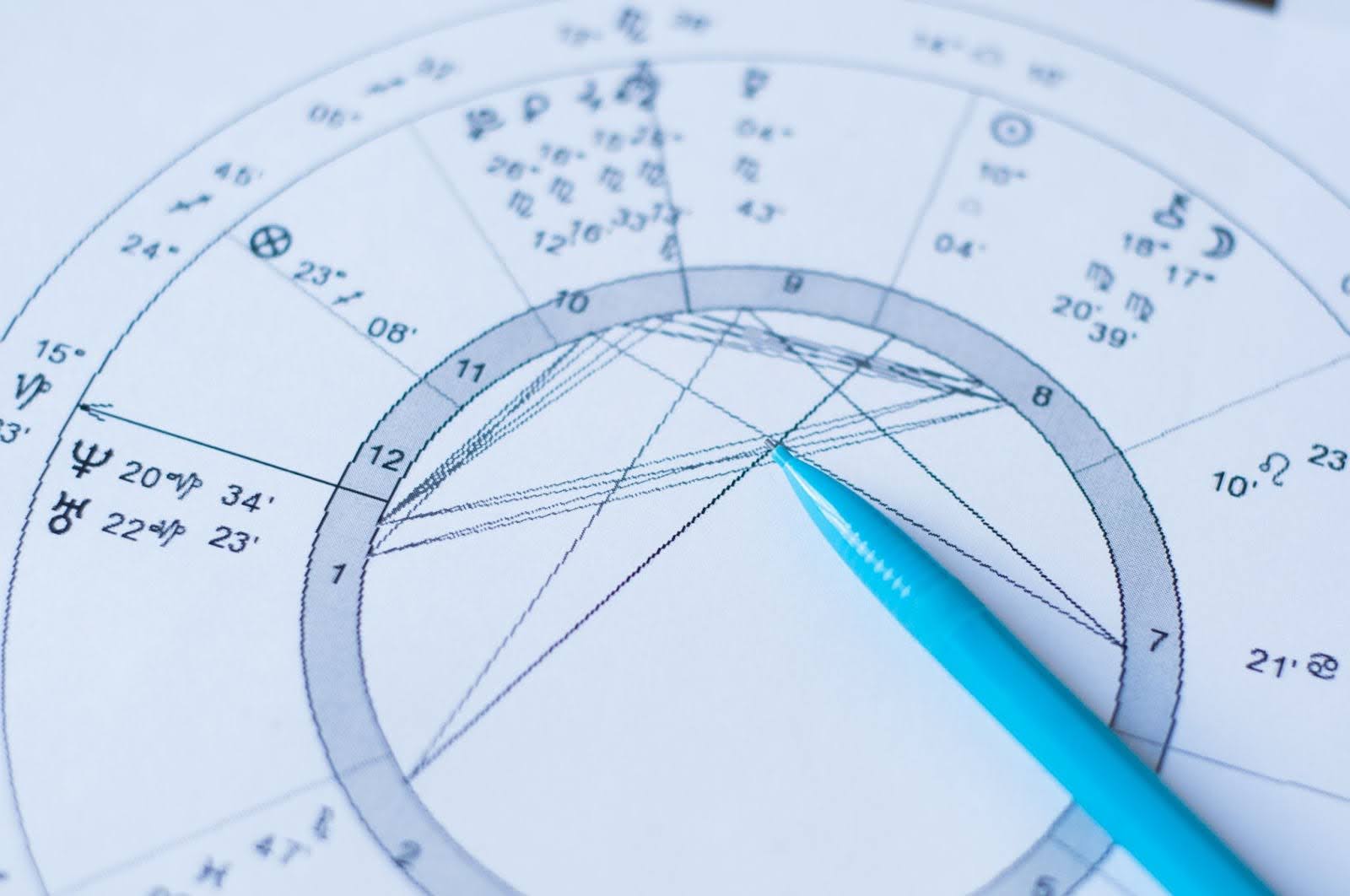
4. How Houses Change The Story: A Real-World Glimpse
To see how powerful houses in Vedic astrology are, imagine two people who both have Saturn in their charts. In one, Saturn sits in the sixth house. In another, Saturn sits in the tenth.
In the sixth house, Saturn often first appears as labour: long hours, demanding environments, health wake-up calls. Yet, when engaged consciously, these very experiences sculpt someone who understands systems, boundaries and resilience. They become the friend who knows how to structure chaos, the colleague people rely on in crises, the mentor who teaches healthy discipline not from theory but from lived experience.
In the tenth house, Saturn may slow external recognition or bring responsibility very early. The person might feel they are always being tested in their career, or that nothing comes easily. Over time, however, this same placement can create leaders who are deeply accountable, who stand for integrity rather than quick success. Their achievements are rarely accidental; they are built.
Or take Venus in the twelfth house of the 12 houses in Vedic astrology. At first, love may feel like something that exists in dreams, fantasies, or in spaces that cannot fully be claimed. Relationships may begin in secret, at a distance, or in liminal phases of life. But the more this person understands their twelfth house, the more they learn to love without possession. Venus here can eventually blossom into a capacity for compassionate, spacious, almost devotional love.
In all these cases, understanding planets in different houses does not guarantee an event. It suggests where your most important lessons will keep returning until you meet them with awareness. The interaction between Lagna and houses further refines how these planetary energies manifest uniquely in your life.

5. Working With Your Houses In Daily Life
Remedies in understanding houses in Vedic astrology are often described in terms of gemstones, rituals or mantras. These can be powerful, but there is another dimension to remedy that is just as important: behavioural alignment.
First House Remedies
For the first house in the 12 bhavas in Vedic astrology, a remedy might look like learning to see yourself clearly. Mirror work, honest self-reflection, therapy, or simply asking trusted people, “How do I really show up?” can all gently refine first house energy.
Fourth House Remedies
For the fourth house, it may mean consciously building an inner and outer sanctuary. Rearranging your home so it feels like it holds you. Revisiting childhood narratives and offering compassion to the parts of you that never felt quite safe.
Sixth House Remedies
For the sixth house in houses in Vedic astrology, every small act of routine – sleeping on time, drinking water, stretching, filing that document instead of postponing it – becomes spiritual practice. The more you honour your body and your work, the more this house shifts from “problems” to “craft”.
Eighth House Remedies
For the eighth house, the true remedy is often depth work. Journalling during emotionally intense phases, learning about trauma and nervous system regulation, studying metaphysics or psychology, gives the eighth house somewhere to pour its intensity.
Twelfth House Remedies
For the twelfth house, making regular space for silence is itself a remedy. Meditation, art, journalling by candlelight, solitary walks, conscious retreats: all are ways of befriending the part of you that does not need to be seen to exist.
In each case, the house is not asking for perfection. It is asking for a relationship.
“Correction is not compensation. It is conscious engagement.”
You are not bribing the cosmos. You are entering into dialogue with it. Understanding how different houses in Vedic astrology respond to conscious work allows you to transform challenges into wisdom.
For personalised daily guidance based on your houses in Vedic astrology, visit StarryVibes.ai’s daily horoscope.
6. How House Themes Evolve Over A Lifetime
The houses in Vedic astrology do not speak with the same volume at every age. Just as human development moves from dependency to exploration to contribution and reflection, household priorities shift as we grow.
Early Childhood
In early childhood, the fourth house often dominates, even if we do not read charts. The question is simple and non-verbal: “Am I safe?” The second house quietly joins in through early experiences of food, family and speech.
Adolescence and Early Twenties
In adolescence and early twenties, the third, fifth and seventh houses in Vedic astrology light up. We experiment with identity, flirt with possibilities, push boundaries, taste romance, find friends and rivals, and discover what happens when our will meets the world.
Established Adulthood
As we move into established adulthood, the sixth, tenth and eleventh houses tend to become louder. Work, responsibility, health, contribution, community and long-term goals step forward. Questions of impact and sustainability arise.
Mid-Life and Beyond
Later in life, especially after the mid-thirties and into the second half of life, the ninth and twelfth houses in Vedic astrology often make themselves felt more strongly. Spiritual questions, meaning, legacy, belief, surrender, retreat and inner freedom become central.
This does not mean other houses in Vedic astrology fall silent. It means that at different moments, certain rooms in the temple of your chart are more lit than others. The dynamic relationship between Lagna and houses continues to evolve as transiting planets activate different areas of life.
7. How StarryVibes.ai Reads Your Houses Without Reducing You To Them
In practice, working with houses in Vedic astrology requires precision. A few minutes’ difference in birth time can shift where a planet falls, and that can reshape the narrative of a life.
StarryVibes.ai uses sidereal calculations calibrated with Lahiri Ayanamsa, applying arcsecond-level accuracy to place each planet into its correct house for your exact time and place of birth. On top of that, it layers classical interpretive rules from texts such as Brihat Parashara Hora Shastra and Jaimini techniques, then refines them with modern pattern recognition.
The result is your Book of Life: a living document that does not simply say “Saturn in the sixth means this”, but shows you how Saturn in your sixth, in your sign, in your current planetary periods and transits, is quietly shaping the storyline of your days.
When Mars moves through your tenth house among the 12 houses in Vedic astrology, you might receive guidance on how to channel courage and initiative in your work life without burning out relationships. When the Moon crosses your fourth, you might be nudged to check in with your emotional base.
There is no fatalism in this. Just a gentle, intelligent mirroring of the sky’s geometry into the geometry of your life. Understanding how planets in different houses interact with your unique Lagna and house configuration provides deeply personalised insights.
8. You Might Also Wonder…
Once you begin to grasp the houses in Vedic astrology, new questions emerge on their own.
Can one house dominate your experience?
You might wonder, for instance, whether one house among the 12 houses in Vedic astrology can dominate your experience. The answer is that it can feel that way for periods, especially when that house and its ruler are activated by major planetary cycles. But over a lifetime, every house gets its chance to speak.
What does an empty house mean?
You might also ask what it means if a house is “empty”. An unoccupied house in houses in Vedic astrology is not a silent one. Its story still plays out through the sign on its cusp and the planet that rules that sign. Understanding different houses in Vedic astrology means recognising that empty houses are simply expressed through their ruling planets rather than through direct planetary presence.
Which house matters most?
You may even find yourself asking which house matters “most” in the 12 bhavas in Vedic astrology. Many astrologers would point to the first, because it frames the entire chart through the Lagna and houses relationship. Others would say it is whichever house your current lessons are unfolding through. In truth, importance is contextual. The beauty of the house system is that it invites you to see your life as multi-dimensional rather than ruled by a single theme.
How do planets in different houses interact?
Another common question involves understanding how planets in different houses create specific life patterns. Each planetary placement tells a unique story depending on which of the different houses in Vedic astrology it occupies, and this is further modified by aspects, sign placements, and the overall strength of the house.
9. Key Takeaways
If you pause and look back at all 12 houses in Vedic astrology, a pattern emerges.
The first house opens with “I am”.
The second and third explore “What do I hold” and “How do I move”.
The fourth through sixth ask, “Where do I belong, what do I create, and how do I refine myself?”
The seventh through ninth expand into “Who do I meet, how do I transform, and what do I believe”.
The tenth and eleventh consider “What do I contribute” and “With whom do I share futures”.
The twelfth whispers, “What am I when I let it all go?”
The houses in Vedic astrology are less a list of topics and more a choreography of becoming. They hold your challenges not as punishments, but as invitations to grow particular muscles of the soul.
Understanding the 12 bhavas in the Vedic astrology system provides:
- Spatial context for planetary energies
- Life domain mapping for practical application
- Karmic insight into recurring patterns
- Timing indicators through transits and dashas
- Remedial pathways for conscious evolution
The relationship between Lagna and houses establishes your unique life blueprint, while planets in different houses activate specific themes across your lifetime. Learning what the 5th house in astrology and all other houses create a comprehensive understanding of your soul’s journey.
Frequently Asked Questions
Are houses more important than planets or signs?
Houses in Vedic astrology are not more important, but they are fundamental. Planets describe energies, signs describe qualities, and houses in Vedic astrology show the concrete arenas where those energies and qualities meet life. All three elements work together in the 12 bhavas in the Vedic astrology system.
Can an empty house still be significant?
Yes. The sign on the cusp and the condition of its ruling planet will quietly write the script for that area of life in houses in Vedic astrology. Many key events are driven by transits and planetary periods activating “empty” houses. Understanding different houses in Vedic astrology includes recognising that every house tells a story, occupied or not.
Why does my experience of a house change over time?
Because both you and the sky are moving. Planetary periods (dashas) and transits highlight different houses in Vedic astrology at different times, and your own consciousness also evolves. The same house can feel very different at 15, 35 and 65. The Lagna and houses remain fixed, but the activation patterns change.
Is there such a thing as a 'bad' house?
Classical texts label some houses in Vedic astrology as challenging (dusthanas: 6th, 8th, 12th), but challenge is often where the richest growth occurs. When approached consciously, even the so-called difficult houses among the 12 houses in Vedic astrology can become sources of wisdom and strength.
How accurate is birth time for house calculations?
An extremely accurate birth time is crucial for houses in Vedic astrology calculations. Even a four-minute difference can shift house cusps and change which planets in different houses are placed. This is why rectification (correcting birth time) is often necessary for precise interpretations of the 12 bhavas in Vedic astrology.
What is the relationship between Lagna and houses?
The Lagna and houses relationship is foundational. Your Lagna (ascendant) determines which zodiac sign becomes your first house, and all other houses in Vedic astrology follow in sequence. The Lagna represents the rising sign at your moment of birth and sets the entire framework for how the 12 houses in Vedic astrology manifest in your life.
What is the 5th house in astrology?
What is the 5th house in astrology? The fifth house in the 12 houses in Vedic astrology governs creativity, children, romance, intelligence, education, and speculative gains. It represents the joy of self-expression and the capacity to create – whether through art, ideas, or progeny. It’s associated with buddhi (higher intelligence) and purva punya (past life merit).
11. Conclusion
In many South Indian temples, as you walk the inner corridor, you pass through a series of shrines. Some are bright and crowded, others quiet, almost hidden. Yet each one holds a particular mood of the divine.
Your birth chart is similar. The 12 houses in Vedic astrology are the shrines of your lived experience. Some you visit every day, some only during turning points, some perhaps still waiting for your conscious footfall.
Experience your chart as a living structure of your becoming. Understanding houses in Vedic astrology is not about prediction alone – it’s about recognition, alignment, and conscious participation in your life’s unfolding story.
The different houses in Vedic astrology work together as an integrated system, each supporting and balancing the others. The relationship between Lagna and houses creates your unique life architecture, while planets in different houses animate specific themes and lessons. Together with the 12 bhavas in the Vedic astrology framework, you have a complete map for understanding and navigating your soul’s journey.
Whether you’re curious about what the 5th house in astrology is or any other house, remember that each domain offers opportunities for growth, healing, and self-realisation. The houses in Vedic astrology are not fate – they are invitation.
Ask StarryVibes.ai a question and explore how the 12 houses in Vedic astrology illuminate your unique path.